

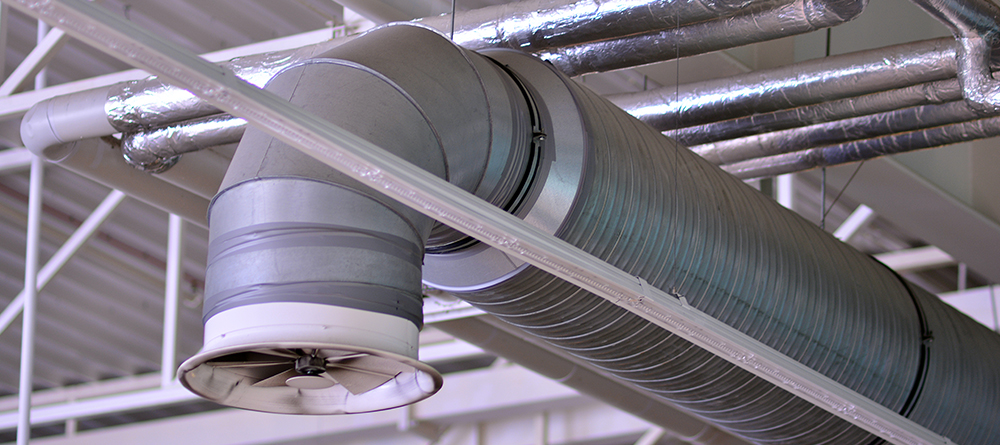
Based on the report from the International Energy Agency, cooling systems are responsible for around 20% of the total electricity consumption in buildings globally, and the demand has been further raised due to the inefficiency in system design and air distribution.
In the case of the Philippines commercial buildings, this number is an indicator of an expensive fact. The cooling problem keeps on growing, and energy efficiency is still lacking most of the time. A lot of the facility managers look for the best Commercial A/C and spend on it, thinking that their energy bills will also go down. But that is not the case, and energy costs keep on growing. Often, the very issue is hiding above the ceiling. Poor Air Conditioning ducting consumes a lot of energy silently every day.
We will discuss in this blog the ducting error that is responsible for the energy losses, and we will also suggest how the right ducting design can help to regain control over energy consumption, comfort, and efficiency.
The Most Common Aircon Ducting Mistake
The most significant blunder is the wrong duct size and sealing defects in an HVAC installation. A lot of duct systems are either too small or too big, and many are not tightly connected at all. This results in resistance and pressure imbalance throughout the system.
If ducts are leaking or the flow is restricted, the system will need to run longer and harder to compensate. The power consumption of the fans goes up. The compressors will also run more often. Even the best Commercial Air Conditioner will not operate efficiently if there is a failure in the air delivery system.
The cooling, to an extent, still gets delivered to the occupied areas, which makes the problem less noticeable. The only sign that you can see is an increased electricity bill.
How Faulty Aircon Ducting Drives Up Energy Use
Ducts function as the main routes for air that has been cooled. Even a small blockage or a tiny hole will cut down the efficiency of air delivery. The air conditioning system has no other option but to consume more electricity to maintain the level of comfort that has been set.
Some of the typical problems with ducting are:
- Air leakage at joints and seams
- Ducts that are too small for the required airflow
- Sharp bends and excessive duct length
- Poor or missing insulation
- Imbalanced airflow between zones
Each issue adds load to the system. Together, they can push energy use up by 20 to 30 percent.
Why This Problem Is Common in Commercial Buildings
In numerous projects,t,s ducting is less considered than equipment from the point of view of design. Teams concentrate on installing the Commercial AC in time. Thus, ductwork is often modified on-site without doing the necessary calculations.
Cost-cutting is another factor. Using thin duct materials, poor sealing methods, and rushing labor cuts the initial cost but results in higher losses in the long run.
With the Philippines climate, heat, and humidity, this situation becomes even more severe. Ducts that leak bring in hot and humid air, making the system work harder for cooling.
The Hidden Impact on Comfort and Equipment Life
Energy loss is only part of the damage. Poor Aircon Ducting affects comfort and reliability.
Buildings with ducting issues often experience:
- Uneven cooling across floors or rooms
- Persistent hot spots
- Higher indoor humidity
- Frequent system breakdowns
Equipment under constant strain wears out faster. Maintenance frequency increases. Unexpected downtime becomes common.
Why Comparing Ducting Quality Matters
Most of the owners of buildings think that all ducting has the same performance. However, it is not the case. The distinction between bad and good ducting has an immediate effect on the energy cost, comfort, and even the lifespan of the system. The decision makers comprehend this comparison and realize that duct quality is a factor that needs to be considered and given as much attention as equipment selection.
The following table demonstrates the extent to which ducting quality has an impact on building performance.
| Aspect | Poor Aircon Ducting | Proper Aircon Ducting |
| Air leakage | High | Minimal |
| Energy consumption | Up to 30% higher | Optimized |
| Cooling comfort | Uneven | Consistent |
| Equipment strain | High | Reduced |
| Operating cost | Rising year over year | Controlled and predictable |
This comparison shows that efficient cooling starts with the duct system, not just the unit.
How Proper Ducting Restores Efficiency
Correct duct design and sealing can deliver immediate savings. When airflow moves freely, systems operate closer to design efficiency.
Effective ducting focuses on:
- Correct sizing based on load calculations
- Airtight sealing at all joints
- Smooth routing with minimal bends
- Adequate thermal insulation
- Proper air balancing across zones
When these principles guide HVAC Installation energy use drops,s and comfort improves.
Signs Your Building Has a Ducting Problem
Many facilities show warning signs without knowing the cause.
Watch for:
- Rising electricity bills without a change in usage
- Cooling complaints from occupants
- Long system run times
- Condensation near vents or ceilings
These signals often point to ducting issues rather than equipment failure.
Why Professional HVAC Installation Makes a Difference
An air conditioning unit’s quality definition depends on ducts being considered the main system element. The designers make the ducts where the airflow is required, according to the building outline and the people living or working there. They do a system test and balancing before the handover.
This method gives your Commercial Air Conditioner the opportunity to work efficiently and reliably throughout its entire life span.
Final Thoughts
Air conditioning ducting mistakes are still among the most unnoticed reasons for increased power bills. Energy used for air conditioning can be increased by as much as 30 percent through improper installation, thus lowering comfort and shortening the lifespan of equipment. The repair of ducting problems provides quick payback and also brings with it long-term savings.
If there are very high cooling costs in your building or if the comfort level is not even, then the issues could be in the ducts and not in the AC unit.
When your business is ready to make improvements in cooling performance, Nativ Techniks can assist you with the design and installation of HVAC systems that are efficient from the ducting to the equipment. Prevent yourself from incurring energy costs and discomfort today.
FAQs
What are common aircon ducting mistakes that increase energy costs?
Poor insulation, leaks, incorrect sizing, and improper layout cause energy loss and reduce HVAC efficiency.
How do duct leaks affect energy consumption?
Leaks allow cooled air to escape, forcing systems to work harder and increasing electricity bills.
Why is proper duct sizing important for air conditioning?
Incorrect sizing reduces airflow efficiency, causes uneven cooling, and leads to higher operational energy costs.
Can poor duct insulation increase cooling expenses?
Yes, uninsulated ducts lose cool air, increasing system load and raising energy usage significantly.
How can ducting mistakes be prevented?
Hire certified HVAC professionals, use quality materials, and conduct regular inspections to ensure efficient airflow and energy savings.





Leave a Reply